Showing posts with label attractions. Show all posts

Tuesday, 5 January 2016

Future trends?

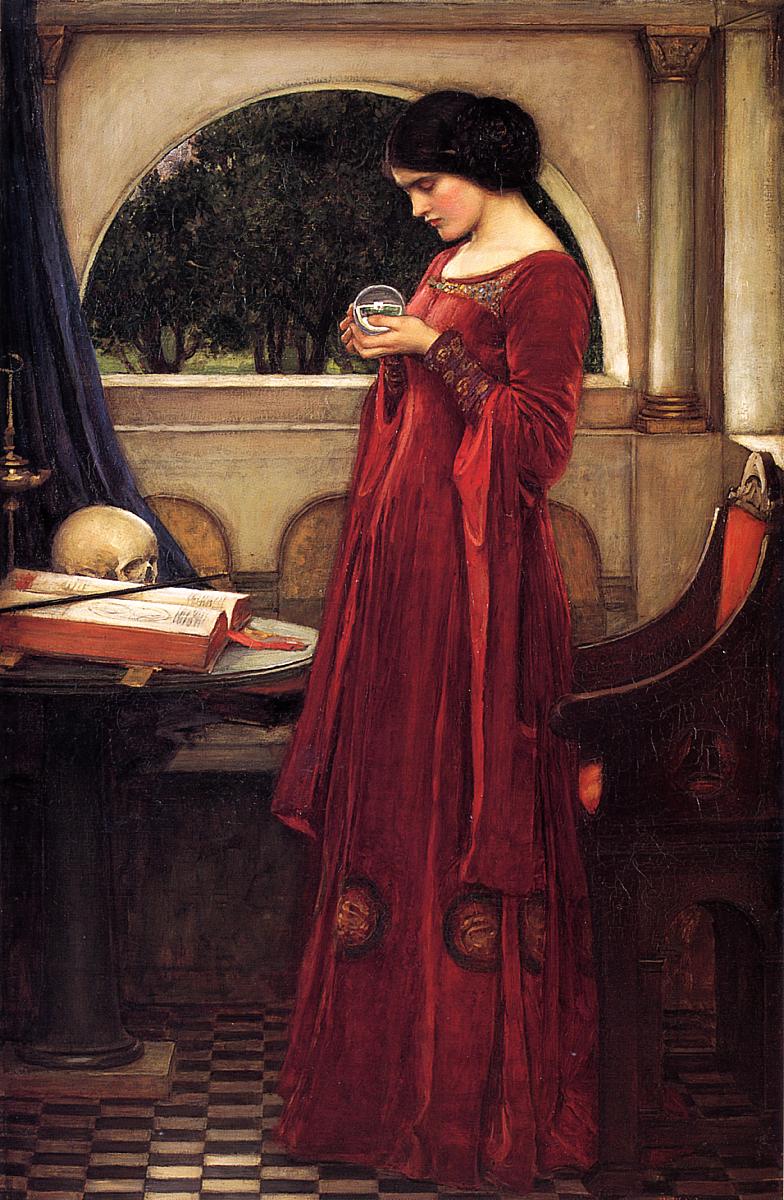
The Crystal Ball
- J W Waterhouse
The latest copy of the Attractions Management Year Book (AM)  thumped onto my door mat over the Christmas period and the lead article is ‘Attractions Foresight’ where they look at the top 20 trends that they think will shape the future for attractions and tourism. I’ve picked out those that ‘tickle my fancy’ or I like or I can say this is something of which I have personal experience. 

Their number 1 is  Underground Attractions’ and they use as examples, Iceland’s ‘Into the Glacier’, ‘Bounce Below’ in Wales, where you can trampoline in a slate quarry and ‘Zip World Caverns’ where ‘daredevil tourists’ can go on zip wires and an assault course underground. My own slightly more sedate example but still exciting will be the 20 minute ride on Mail Rail opening in London in 2017 as part of the £25 million Postal Museum project, that plays on the idea of underground secret tunnels, heritage and an immersive ride. 

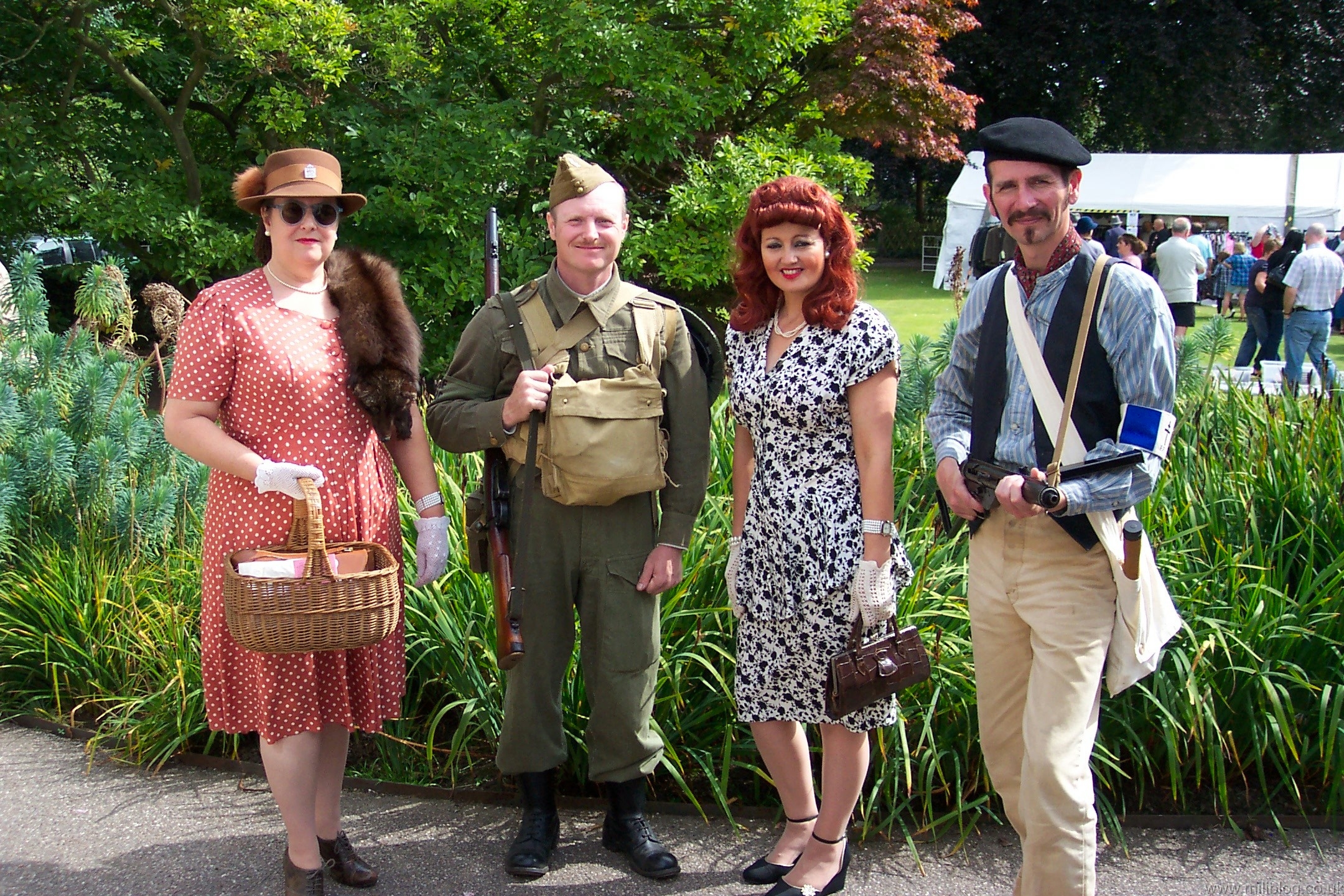
Number 3 is ‘Vintage’ with visitors dressing up for themed rides – they quote the 
1940s re-enactors see miliblog.co.uk
revamp of the New York State Fair and the reopening of Dreamland at Margate. I’m not sure this is quite so new as they think – the outdoor museums at Beamish and Ironbridge have trod this particular path for years quite apart from  the themed events on the UK’s heritage railways covering WW2, 1930s, 1940s,1950s et al.
 

Two perhaps potentially sensitive ones are number 5 - 'Dementia Friendly Design' and number 6 – ‘Design for
See carehome.co.uk
Obesity’
or as their headline says ‘Fat Planet’. The dementia friendly design approach is of course just a further step on the access issue eg having typography that is readable even for those with limited sight or even blind ie having Braille and having well thought out and intelligent use of colours and patterns so as not to confuse visitors. They quote the example of the ‘stick man’ and ‘stick woman’,  frequently used for lavatories. If you cannot remember what they mean, then they are not a lot of help! Mind you even I have had a problem with some of the more arcane examples of stick people.
 

Obesity is a major issue in the developed world and Attractions Management expect to find that attractions are increasingly catering for two distinct groups – obese domestic and non obese tourist groups. The issue of over weight and large visitors is an issue for all kinds of attractions impacting on such things as seating, toilet cubicles, wider corridors and access in older heritage buildings and places where the original occupants and users were smaller and shorter anyway than the normal healthy 21st century adult.

Number 8 is ‘Invisibles’   - sensors are integrated into the body to give a continuous data stream and establish a complete picture of what is going with our responses..…this will remove ‘the need to carry clunky devices’. This seems to be a variation on their number 2 of ‘Customisation’ or ‘Feedback’ for rides where riders can influence their experience through their breathing and heart rates.

Number 11 is Africa a continent which ‘will show exciting growth over the next two decades, with the attractions industry ….as a driver for both domestic and inbound tourism.’  Indeed many countries in Africa have the assets to be potentially very wealthy with a vibrant domestic and inbound tourism industry, Nigeria, South Africa and the Congo being just three. But there are many issues to be tackled in for example geopolitics and economic development before I would put my money on this forecast.

No 12 is ‘Halal’ - Muslims spent US$149bn on international travel in 2013.  AM forecast ‘further segregation in design and in facilities…as the growth of halal tourism picks up pace.’ Quite how Western audiences brought up in the Judeo-Christian tradition may react to this in an attraction will be difficult to determine.

See arcapplause.com
No 13 is ‘Beacons’  - the technology is about to change the way we look at attractions and open up opportunities for enhanced experience design and (of course!) increased monetisation. Mind you I recall reading some 10 years ago, about the ability to send information to customers as they walk past certain hotspots – maybe modern technology and the ubiquity of mobile device will allow it to finally happen…

No 17 is ‘Tech backlash’ – essentially we will be come fed up with digital technology and visitors ‘will increasingly want to express themselves  as sentient, physical, social beings’. Yes me to – I’ve always be averse to walking around a museum or attraction with an electronic gadget held to my ear and some disembodied voice telling me what I should be looking at.

No 19 is ‘Retail Customisation’ and we are here already of course with ‘photo books,
Royal Mail Group
3D printing etc and with products tailored to individual customers. This is a development of the concept developed by Chris Anderson in ‘The Long Tail’ published in 2006 – ‘How endless choice is creating unlimited demand’ and brilliantly executed by the likes of Amazon and Ebay where technology has created the ‘market of one individual’. Royal Mail has been doing this for a while now with Smilers®  - customised stamps which include your own photo that you can buy on line and with a mobile app and special machines .

So those are just some of the Top 20 potential trends for all those who work in the attractions industry to be aware of and perhaps react to…


Saturday, 2 July 2011

Marketing, Event and Exhibition Opportunities in 2012

2012 is the 100th anniversary of the sinking of the Titanic, the bi-centenary of the birth of Charles Dickens, the year of the Olympic and Paralympic Games, the Cultural Olympiad and the Queen’s Diamond Jubilee and there is whole host of other anniversaries and events. So there are great opportunities for visitor attractions to refresh and develop their visitor offer and develop relevant shows, events and exhibitions around these activities and anniversaries given suitable research and interpretation even on modest budgets.Ideas for Writers has a free download for January 2012 here of anniversaries and will also sell you a book for the whole year!.  The only thing to be aware of particularly with the Olympic Games is the question of copyright and use of logos and combinations of words. For those hoping to do something around the Olympic Games attention is drawn to the official Olympic Games website here


To discuss how Attract Marketing can help you  in developing, planning and implementing interpretation themes, ideas, events, festivals and exhibitions please contact Nick Booker at Attract Marketing on +44 (0)1926 864900 or drop us an email - see the right hand column
Charles Dickens, Titanic, Queen's Diamond Jubilee - 2012


Saturday, 4 June 2011

Somewhere worth leaving home for


Tourism is a key sector of the economy and for private and public sector operators, developers and investors it offers both opportunities and challenges.

New developments require careful market research and considered strategic planning. The viability of new leisure and tourism projects must be rigorously tested and there has to be a detailed appreciation of market conditions and of the planning and development contexts for all development. The constant theme that characterises the sector is the need to attract customers, maximise repeat visits and purchases and maintain or improve competitive positions.

Unfortunately, strategic planning for visitor attractions often has rather disjointed beginnings and issues of “secondary” importance, such as access, buildings, design and detailed planning frequently dominate discussion. However, the fundamental questions to be addressed are: “How will this visitor attraction work as a consumer proposition?” and “How can it be branded for success?”

Creating a visitor attraction that is sufficiently strong, differentiated and marketable is, in the long term, even more important than the key “front-end” questions of funding, investors and capital needs. It is not investors and public funding authorities who sustain a profitable operation but consumers. The return on investment depends ultimately not on buildings, but on individuals, seeking a visitor attraction experience.

A visitor attraction can be defined as “somewhere worth leaving home for”, and this is as relevant to a single museum or cathedral as it is to a tourist area or town. People make visitor attractions – the people who conceive them, the people who develop them, the people who manage them, but above all the people who visit.

In a successful attraction, the product on offer is the experience itself. Committing time to that experience must be rewarding for the individual; spending money on that experience must be worthwhile. In the experience economy, visitor attractions must constantly "reinvent" themselves to encourage repeat visits and survive. This economy of experience is about quality, service and choice – it is not about size. The successful product is about expectations, experiences and memories for individual consumers.

Ultimately, it is people that make visitor attractions successful, not buildings and infrastructure. Visitor attraction developers, owners and managers must always hold the consumer proposition and the visitor attraction brand firmly in mind when undertaking strategic planning.

Networking for Visitor Attractions - Group on LinkedIn

Visitor attractions have many common themes. problems and opportunities whether they are large or small, museums, theme parks, castles or heritage centres. The Visitor Attractions Group is a group for operators and suppliers of goods and services to share ideas, experiences and advice - joining as a LinkedIn member lets you share in discussions, networking and job opportunities.